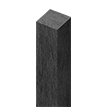
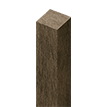
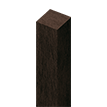
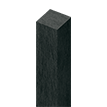
PLASTIC MATERIAL
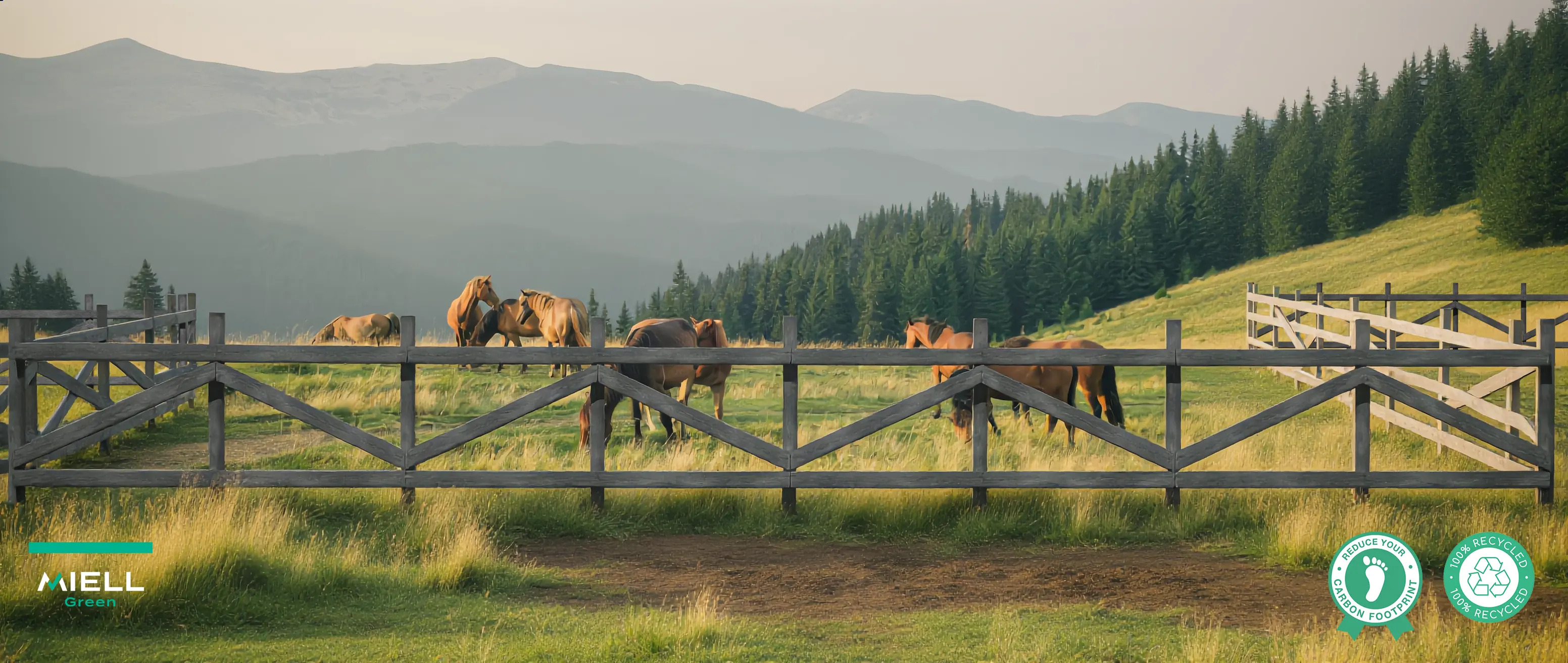
MIELL GREEN újrahasznosított műanyagból készült lovas karámok TOVÁBB AZ ÉPÍTŐ ELEMEKHEZ >


- Környezetvédelmi előnyök: Az újrahasznosított műanyagból készült alapanyagok használata csökkenti a fa kivágásának szükségességét és a műanyaghulladék mennyiségét, miközben hozzájárul a fenntartható gazdálkodáshoz.
- Kiváló tartósság: A műanyag alapanyagok ellenállnak a nedvességnek, penésznek, rovarkárnak és korróziónak, így hosszabb élettartamot biztosítanak a hagyományosan fából készült termékekhez képest.
- Higiéniás és könnyen tisztítható: A sima, nem porózus felületük miatt ideálisak az élelmiszeriparban és az egészségügyben, hiszen nem szívnak magukba nedvességet és könnyen fertőtleníthetőek.
- Költséghatékony megoldás: Bár a kezdeti beruházás magasabb lehet, az extra tartósság és az alacsony karbantartási igény miatt hosszú távon gazdaságosabbak a fa raklapoknál.
+1. Egységes minőség: A műanyag alapanyagok gyártási folyamata biztosítja az egyenletes minőséget és méretet, ami hatékonyabb raktározást és szállítást tesz lehetővé.
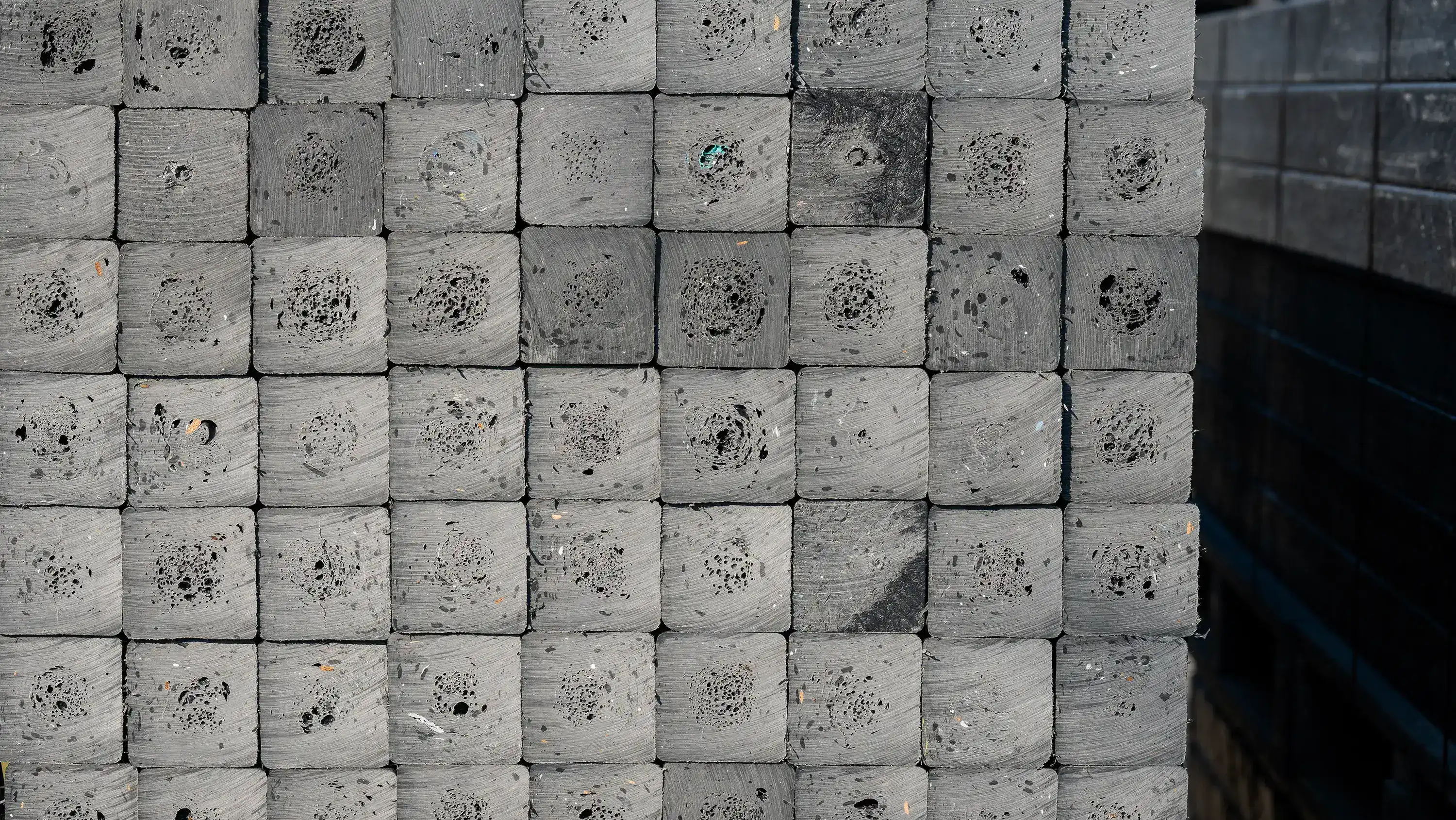
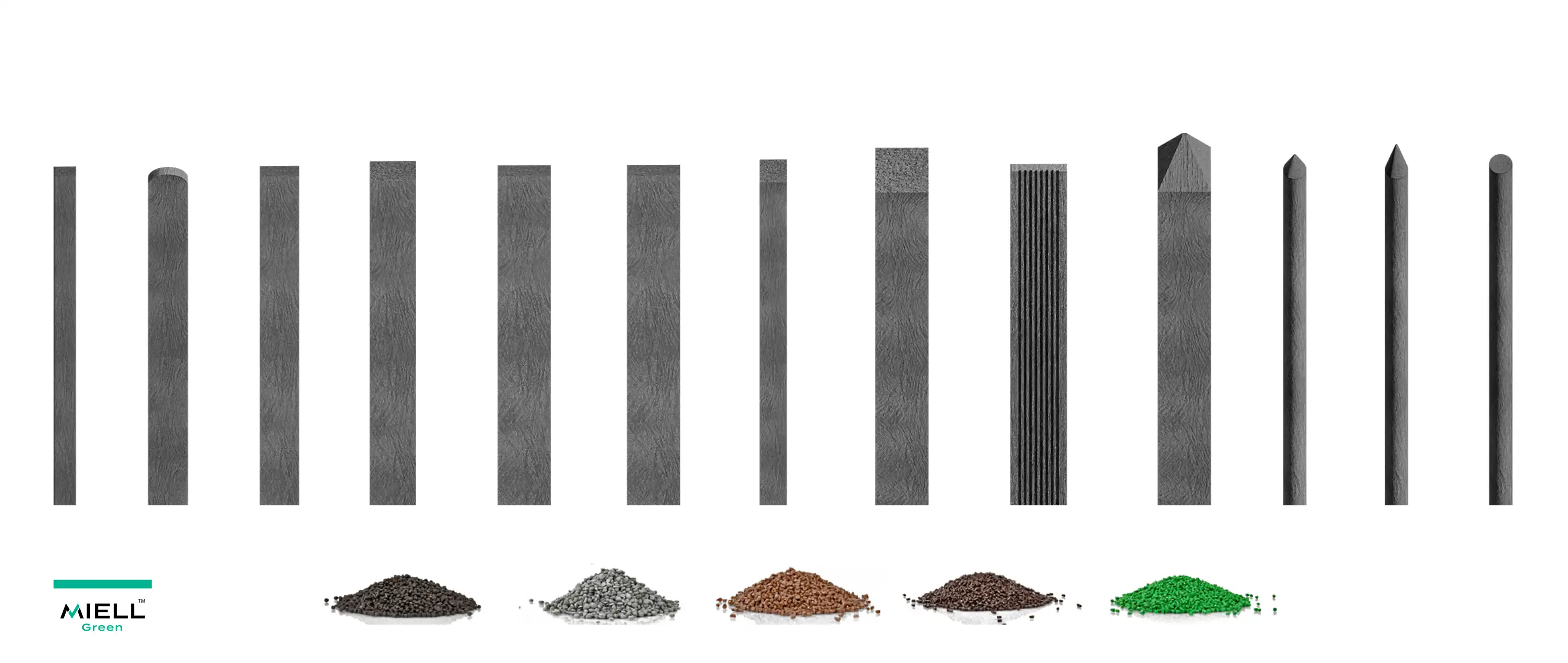
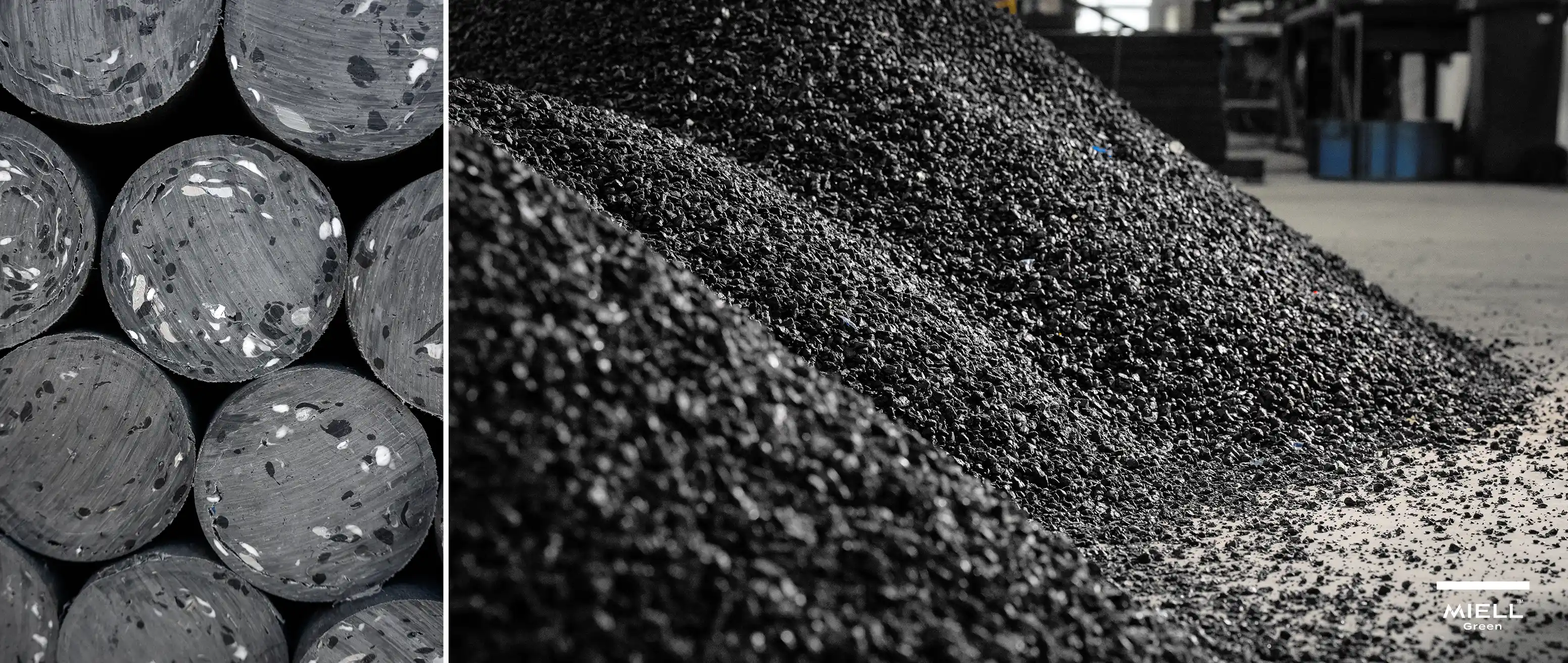
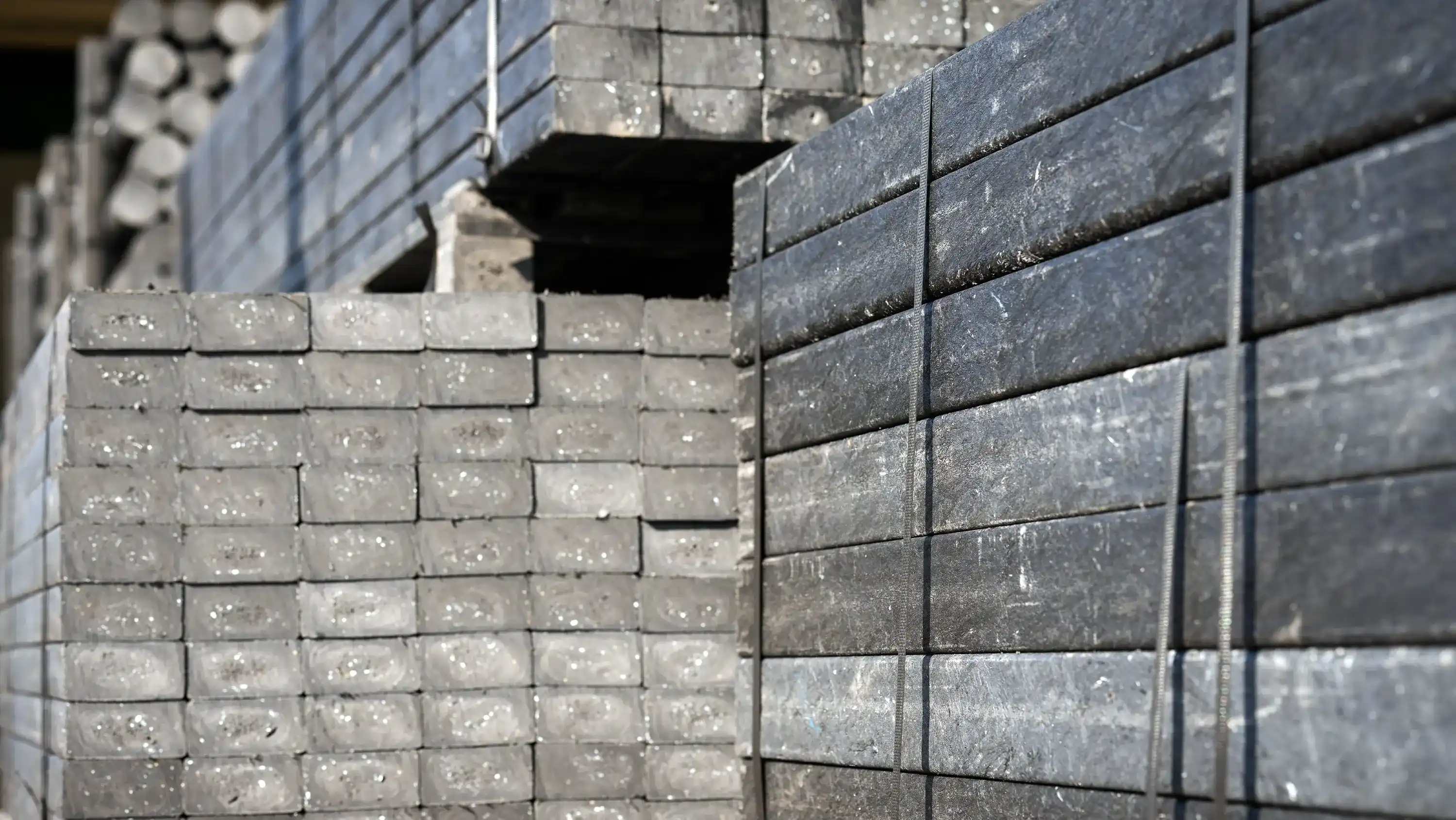
MIELL GREEN raw materials made from recycled plastic
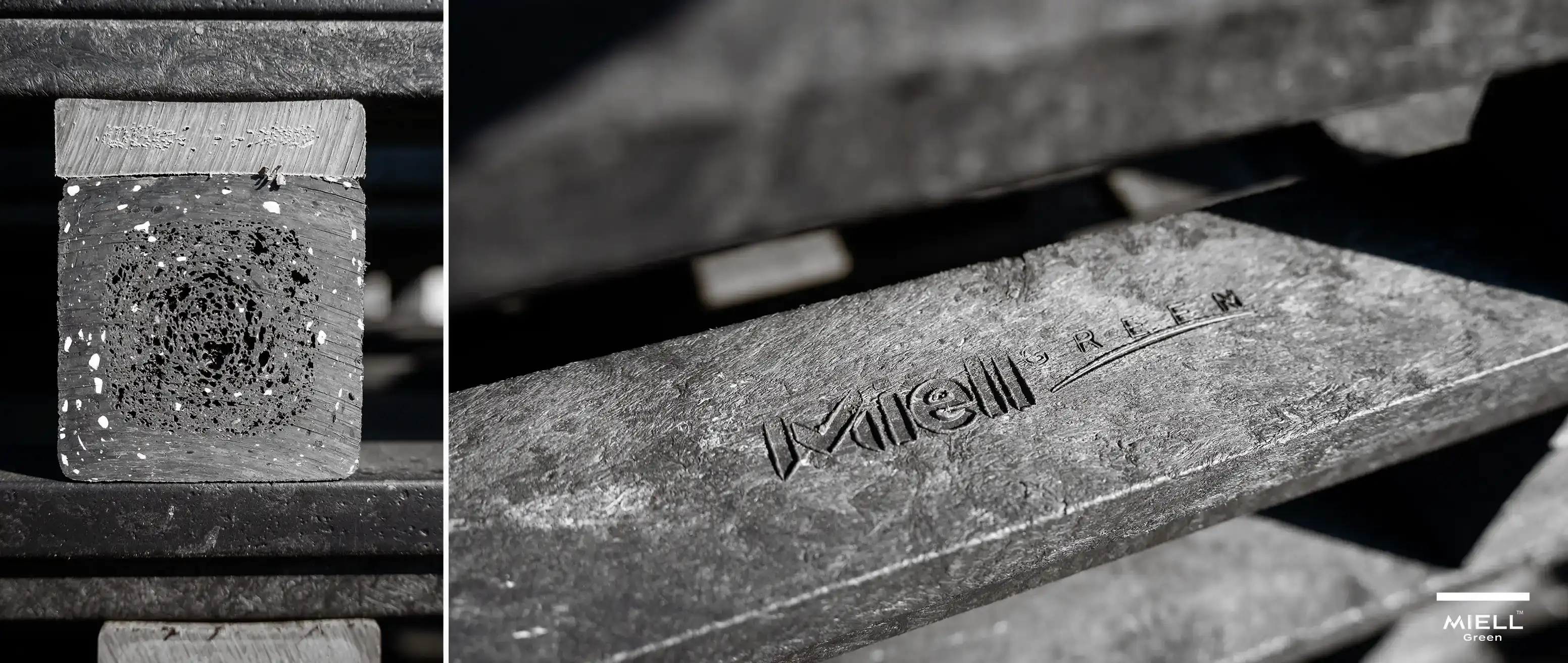
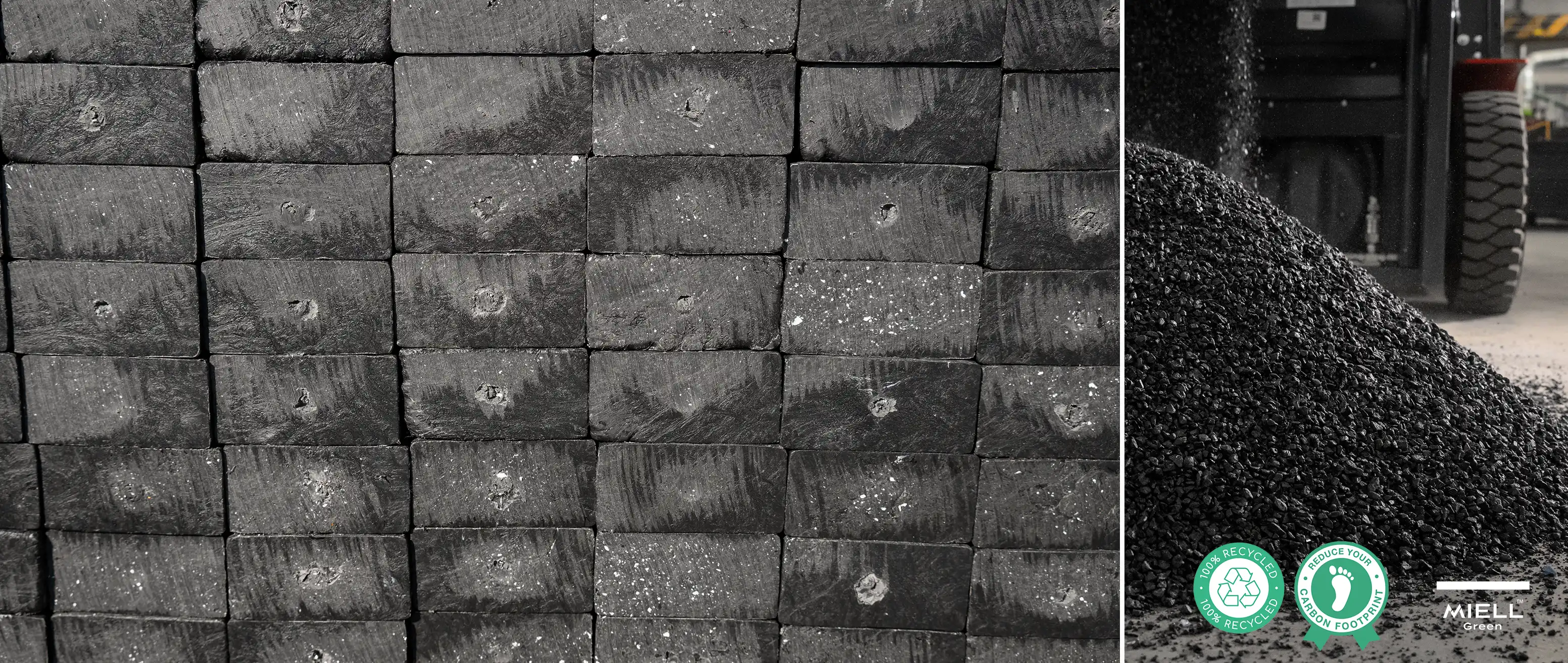
MIELL GREEN
RECYCLE PLASTIC PROFILE SIZE AND WEIGHT TABLE
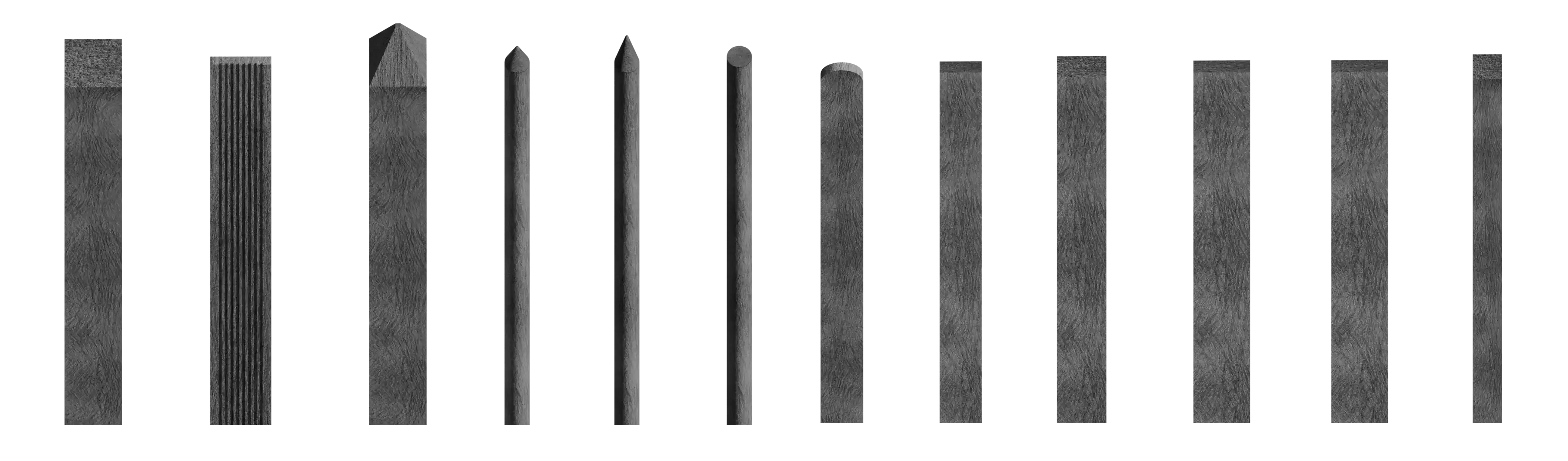
| PRODUCT CODE | PRODUCT NAME | WEIGHT | pcs/PALLET |
|---|---|---|---|
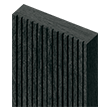
AKL28180+ |
Plastic Fence Slats / 2 cm x 8 cm x 180 cm ECO+ | 3.3 | 300 |
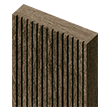
| AKL28180VB |
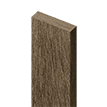
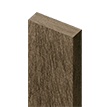
Plastic Fence Slats / 2 cm x 8 cm x 180 cm light brown | 3.3 | 300 |
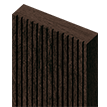
AKL28180VB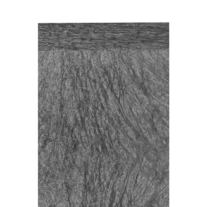 |
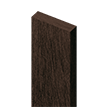
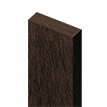
Plastic Fence Slats / 2 cm x 8 cm x 180 cm dark brown | 3.3 | 300 |
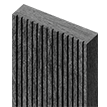
| AKL28180A |
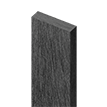
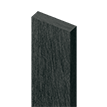
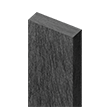
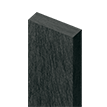
Plastic Fence Slats / 2 cm x 8 cm x 180 cm Antracit | 3.3 | 300 |
ABL313250+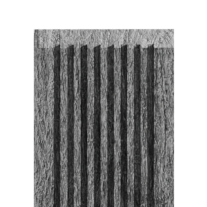 |
Ribbed slat / 3 cm x 13 cm x 250 cm ECO+ | 10.5 | 90 |
| ABL313250VB |
Ribbed slat / 3 cm x 13 cm x 250 cm light brown | 10.5 | 90 |
| ABL313250VB |
Ribbed slat / 3 cm x 13 cm x 250 cm dark brown | 10.5 | 90 |
AQ3512200+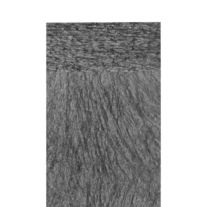 |
Plastic Profile / 3,5 cm x 12 cm x 200 cm ECO+ | 8.5 | 120 |
| AQ3512200VB |
Plastic Profile / 3,5 cm x 12 cm x 200 cm light brown | 8.5 | 120 |
| AQ3512200A |
Plastic Profile / 3,5 cm x 12 cm x 200 cm Antracit | 8.5 | 120 |
| - | Plastic Profile / 3,5 cm x 12 cm x 200 cm dark brown | 8.5 | 120 |
AQ55250+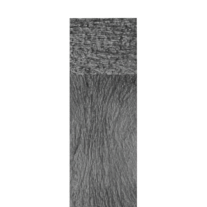 |
Plastic Profile / 5 cm x 5 cm x 250 cm ECO+ | 7.5 | 90 |
| - | Plastic Profile / 6 cm x 6 cm x 250 cm ECO+ | 7.8 | 130 |
| - | Plastic Profile / 6 cm x 6 cm x 250 cm dark brown | 7.8 | 130 |
| AQE55150+ |
Reinforced plastic profile / 5 cm x 5 cm x 150 cm ECO+ | 6.5 | 180 |
| AÉP510310+ |
Plastic Profile / 5 cm x 10 cm x 310 cm ECO+ | 14 | 80 |
| - | Plastic Profile / 5 cm x 10 cm x 310 cm dark brown | 14 | 80 |
AQ88250+ |
Plastic Profile / 8 cm x 8 cm x 250 cm ECO+ | 15 | 54 |
| AQER88300+ |
Reinforced plastic profile / 8 cm x 8 cm x 250 cm ECO+ | 18.3 | 54 |
| AQ1010250+ |
Plastic Profile / 10 cm x 10 cm x 250 cm ECO+ | 24.2 | 35 |
| AQ1010300+ |
Plastic Profile / 10 cm x 10 cm x 300 cm ECO+ | 29 | 35 |
| AO45130+ |
Plastic Profile / 4,5 cm x 130 cm ECO+ (circle-based) | 2 | 391 |
AO6200+ |
Plastic Profile / 6 cm x 200 cm ECO+ (circle-based) | 5.5 | 391 |
| AO95230+ |
Plastic Profile / 9,5 cm x 230 cm ECO+ (circle-based) | 13.5 | 70 |
| AOER95230+ |
Reinforced plastic profile / 9,5 cm x 230 cm ECO + (circle-based) | 16 | 70 |
| AO15220+ |
Plastic Profile / 15 cm x 220 cm ECO+ (circle-based) | 34 | 30 |
| AOER15220+ |
Reinforced plastic profile / 15 cm x 220 cm ECO+ (kör alapú) | 37 | 35 |
| AQ88300 |
Plastic Profile / 8 cm x 8 cm x 300 cm | 21 | 56 |
| AQER88300 |
Reinforced plastic profile / 8 cm x 8 cm x 300 cm | 25 | 49 |
| AQ55150 |
Plastic Profile / 5 cm x 5 cm x 150 cm | 6.5 | 190 |
| AQER55150 |
Reinforced plastic profile / 5 cm x 5 cm x 150 cm | 9 | 190 |
| AQ3512200 |
Plastic Profile / 3,5cm x 12 cm x 200 cm | 8.5 | 100 |
AQ28100 |
Plastic Profile / 2 cm x 8 cm x 100 cm | 2 | 300 |
MIELL GREEN raw materials made from recycled plastic
MIELL GREEN újrahasznosított műanyagból készült alapanyagok
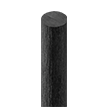
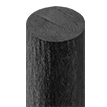
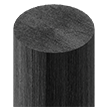
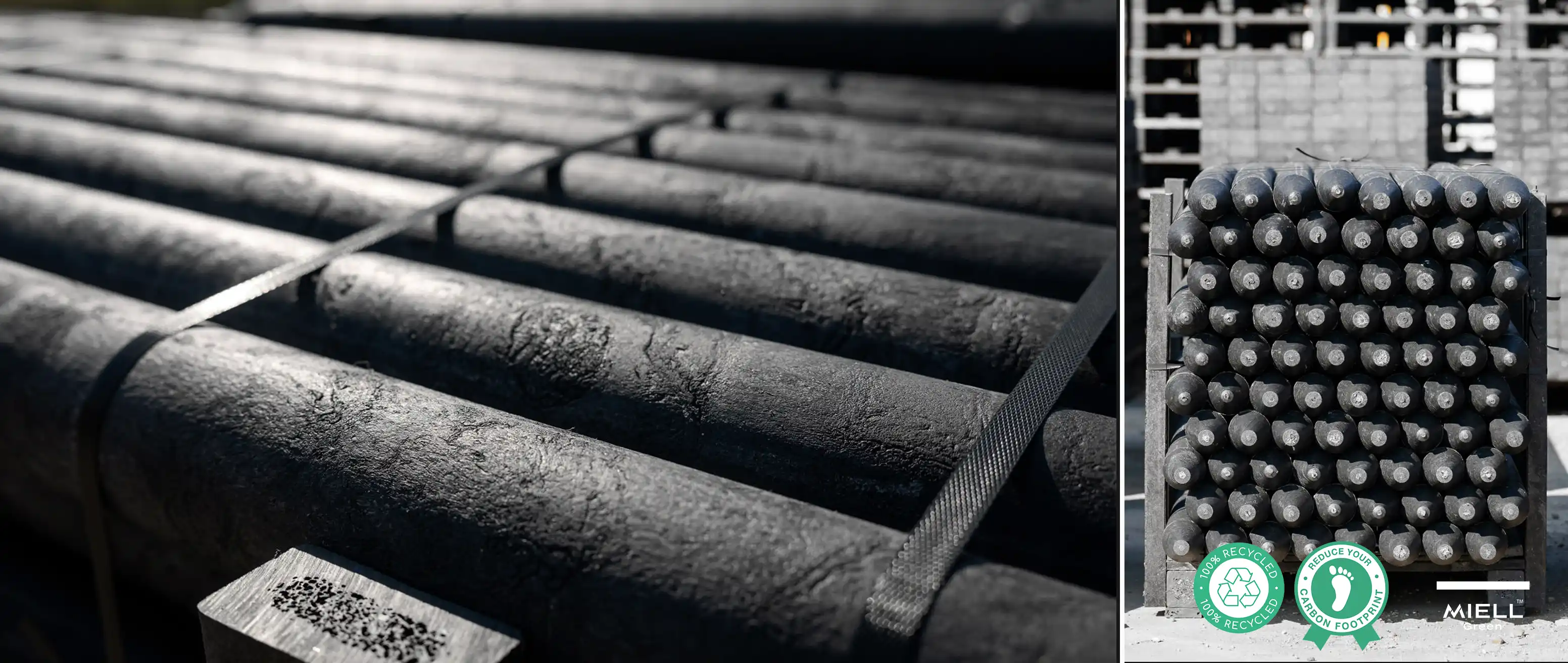
MIELL GREEN Cylindrical fence posts made from recycled plastic
MIELL GREEN garden containers, "greenhouses" made of recycled plastic
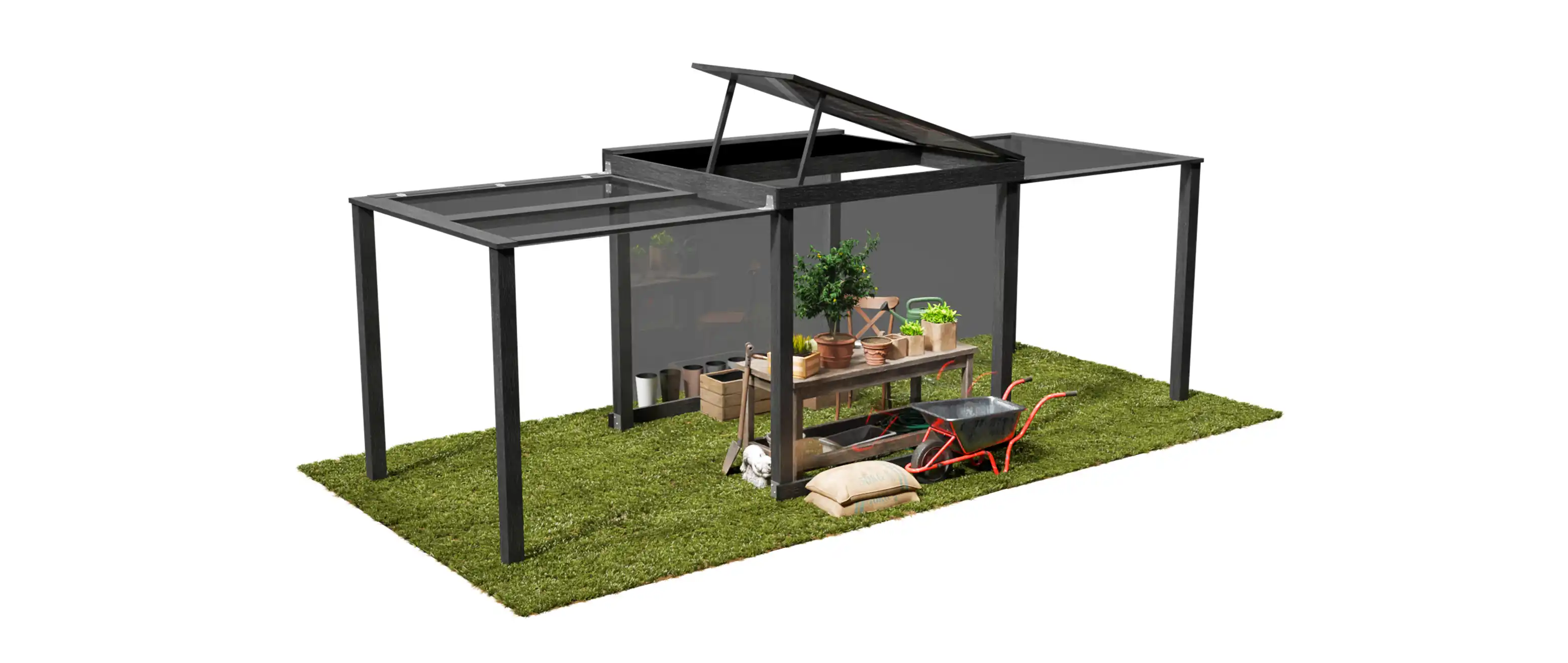
MIELL GREEN garden containers, "greenhouses" made of recycled plastic
Construction and cladding of horse, cattle, sheep and lamb stables with eco-friendly MIELL GREEN plastic blocks created from recycled plastic waste.
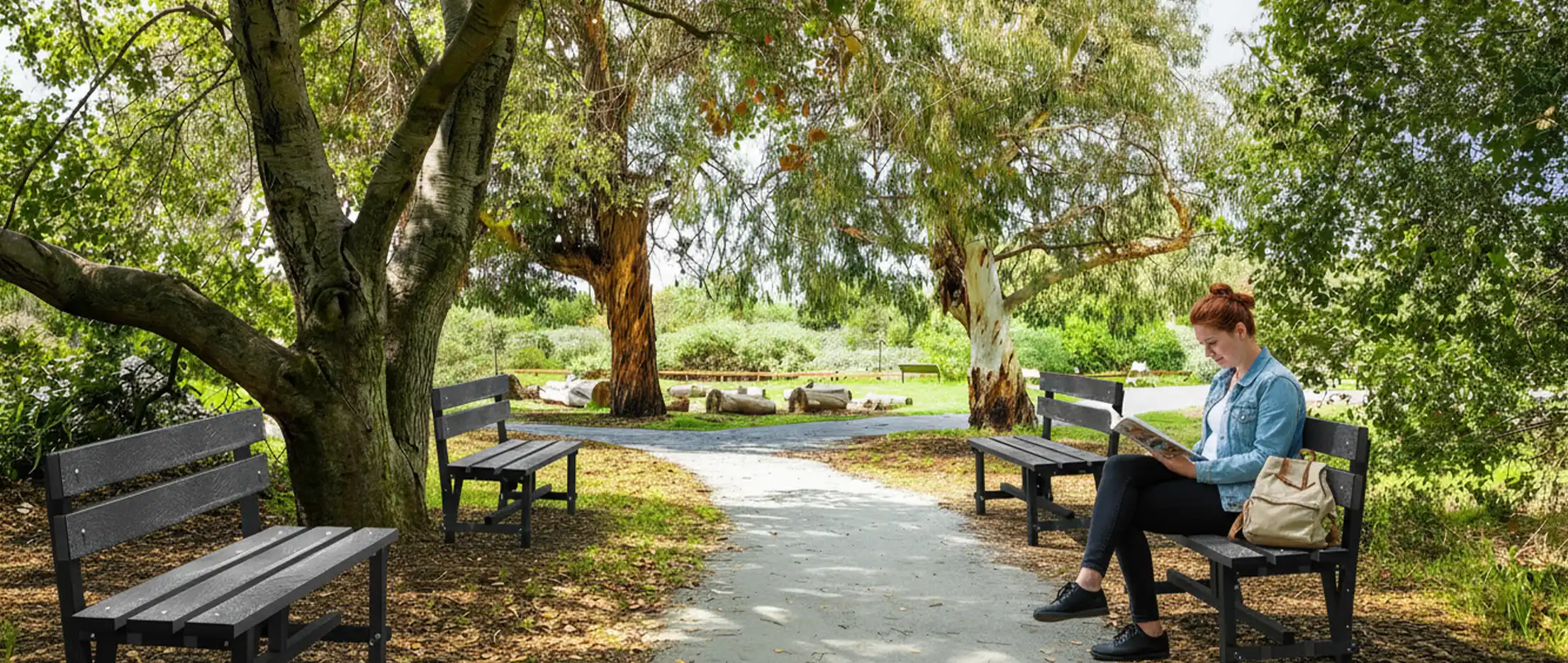
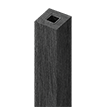
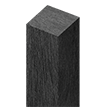
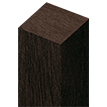
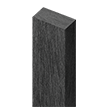
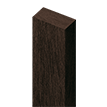
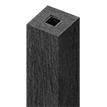
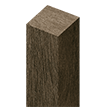
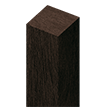
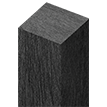
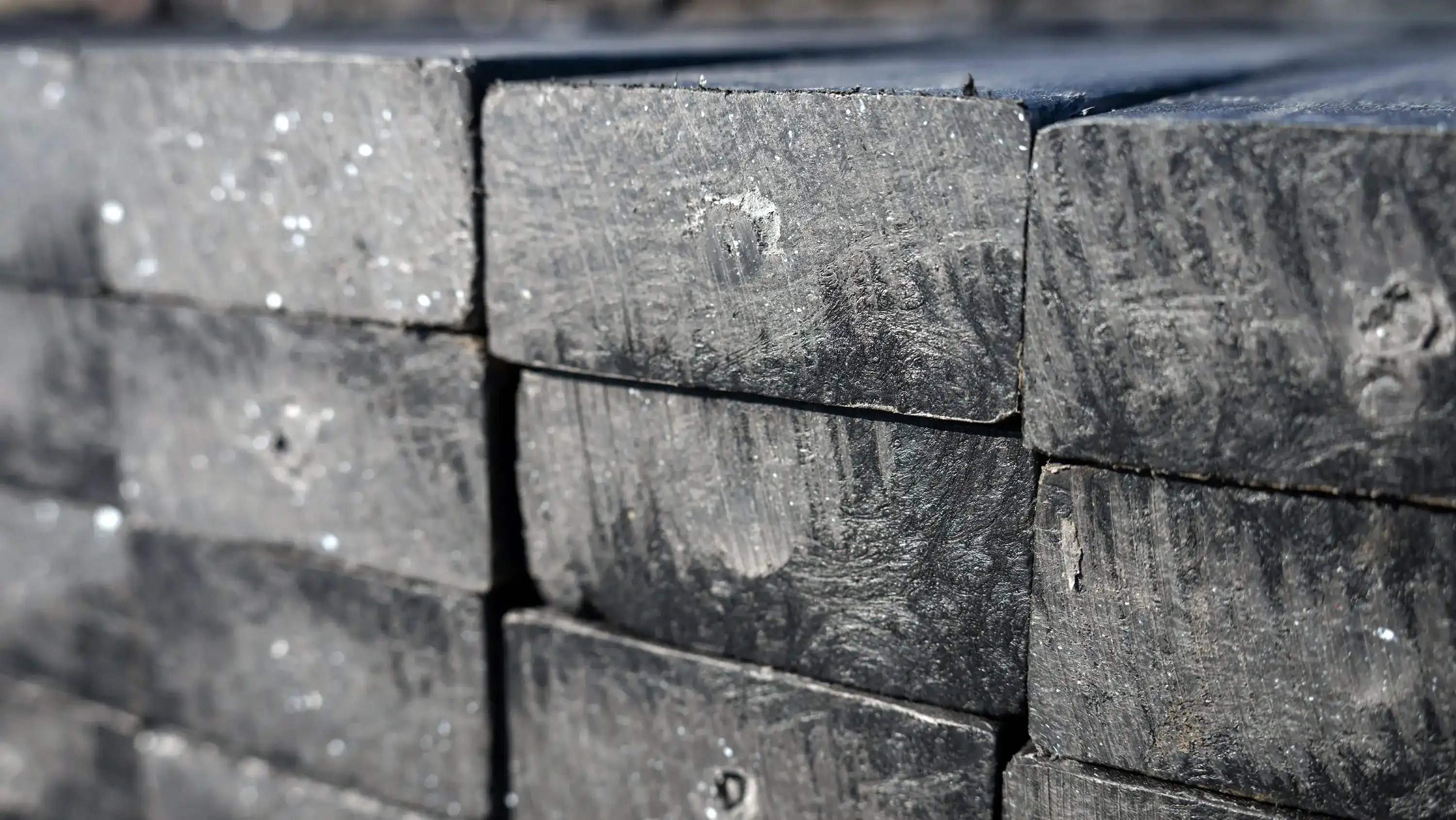
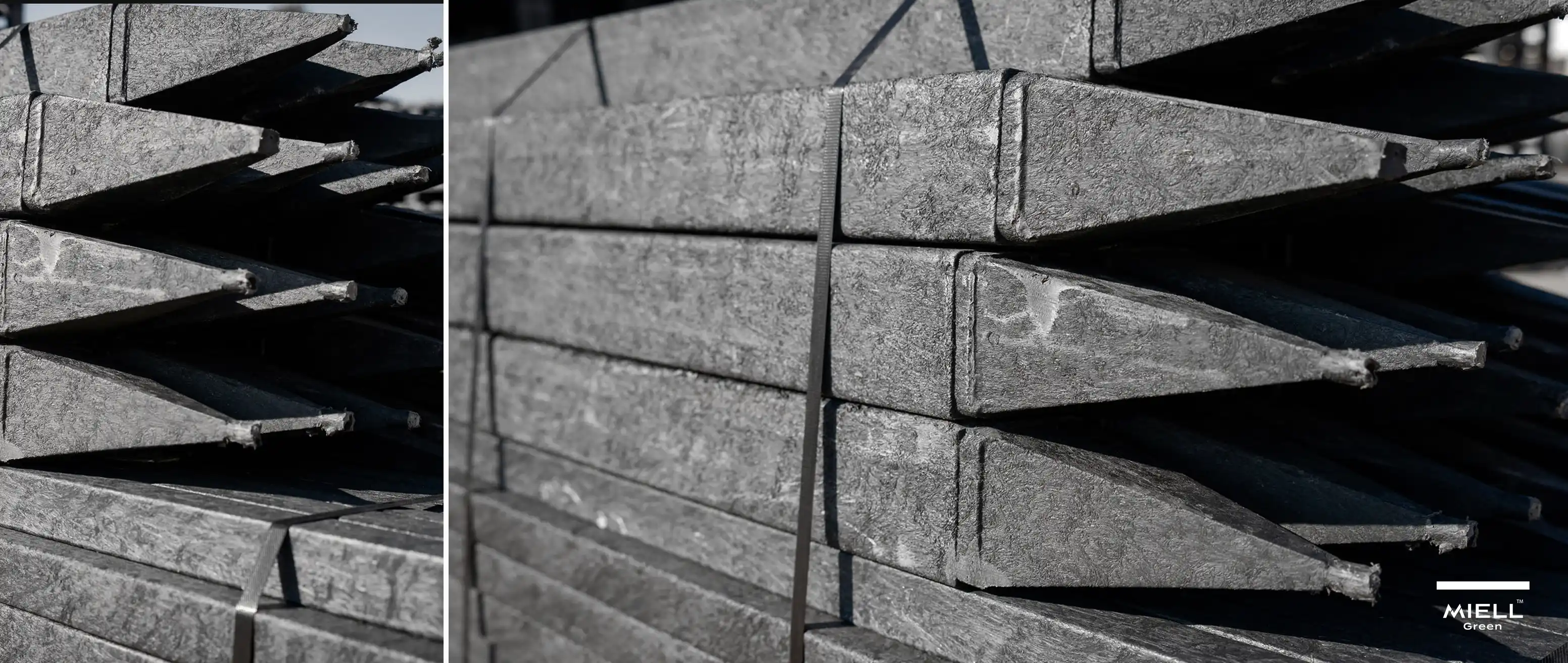
MIELL GREEN rectangular and cube-shaped fence posts made of recycled plastic
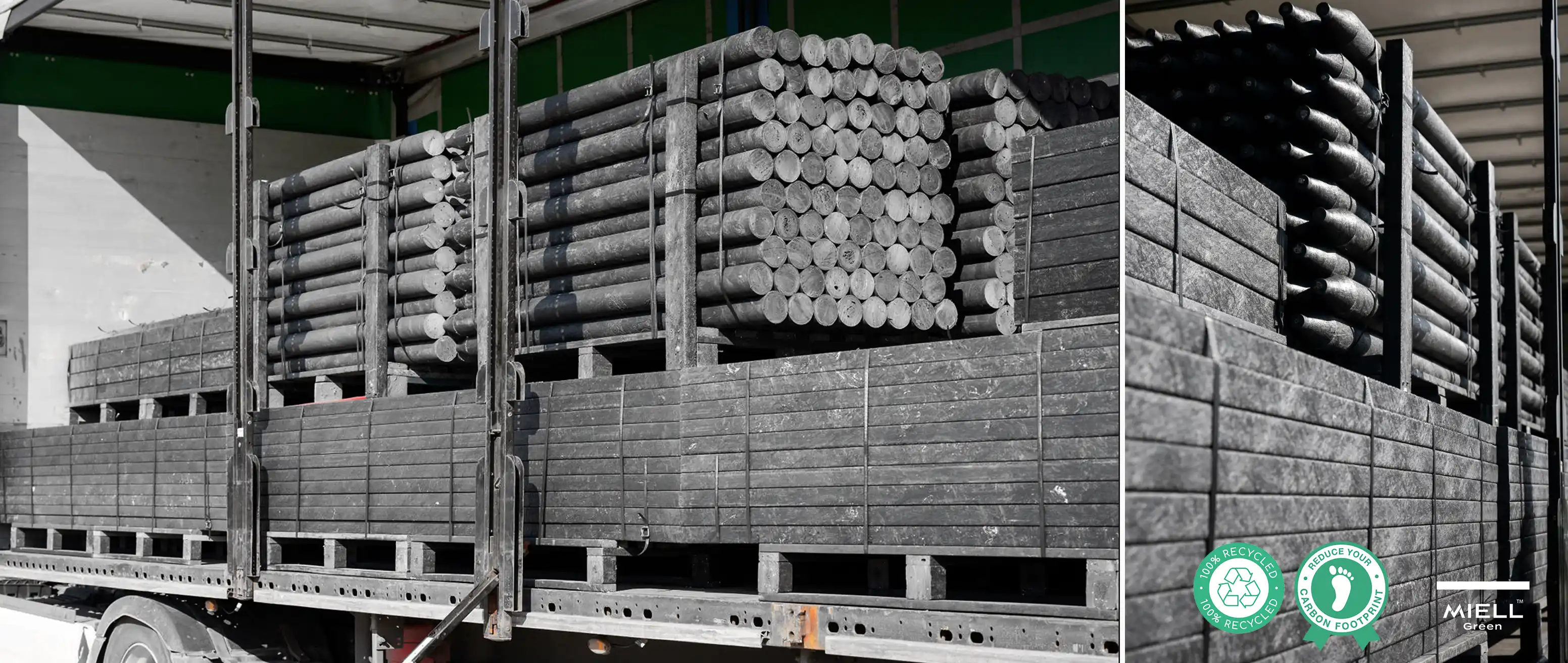
MIELL GREEN walking surface of decking, covering of port buildings made of recycled durable plastics
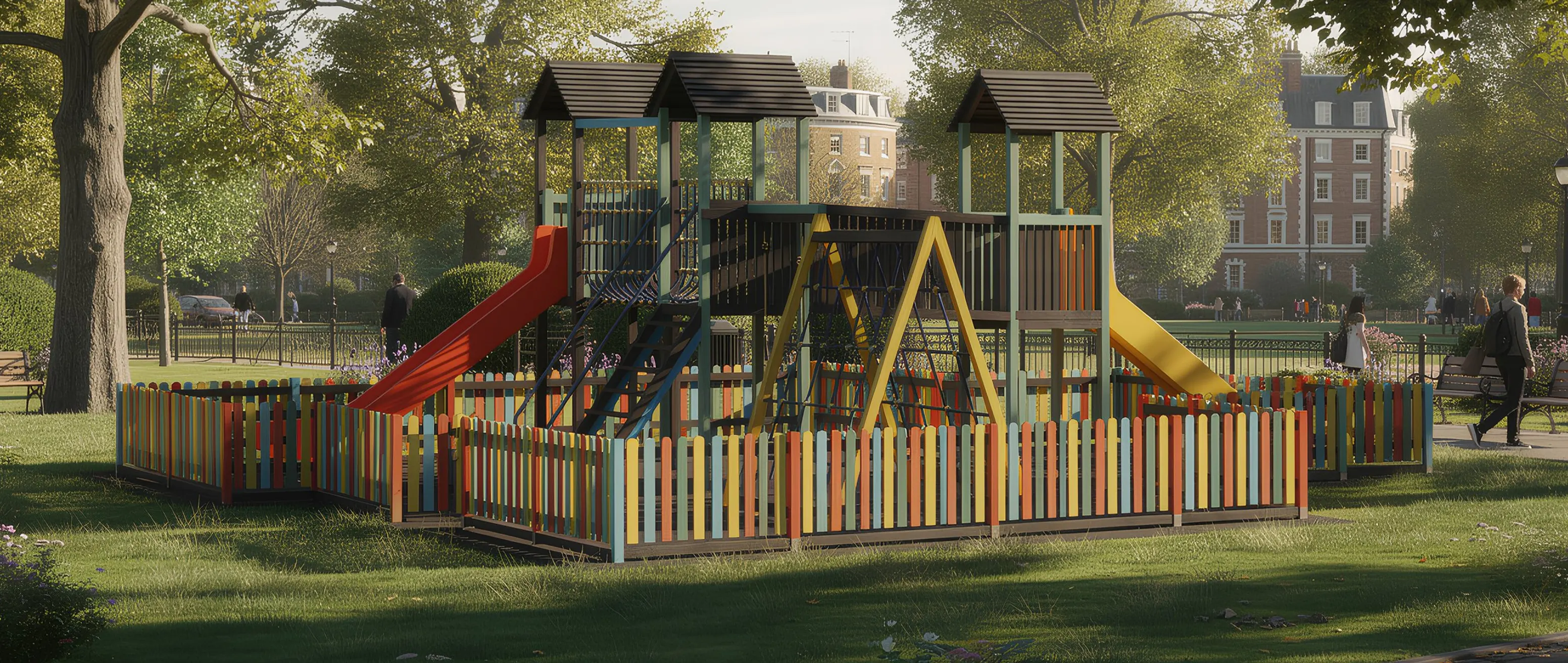
MIELL GREEN újrahasznosított műanyagból készült lovas karámok TOVÁBB AZ ÉPÍTŐ ELEMEKHEZ >
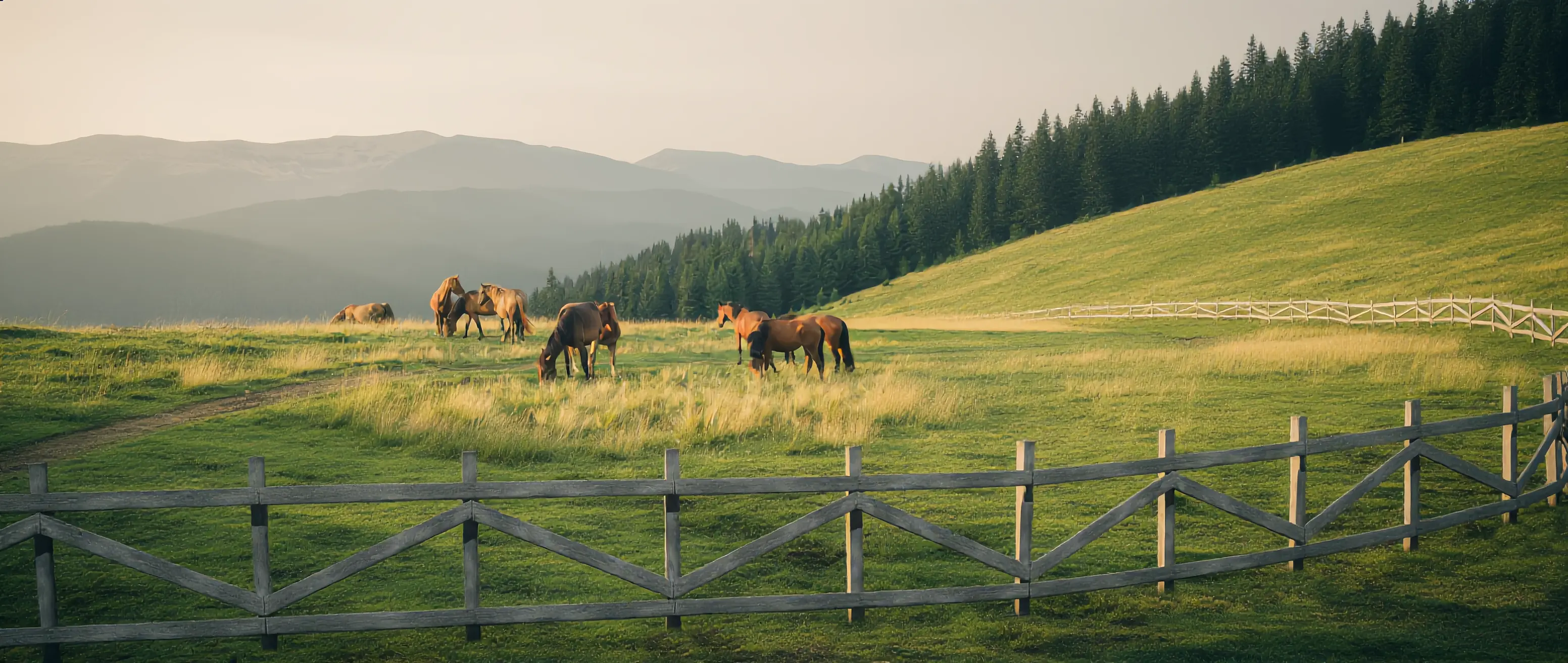
- Környezetvédelmi előnyök: Az újrahasznosított műanyagból készült alapanyagok használata csökkenti a fa kivágásának szükségességét és a műanyaghulladék mennyiségét, miközben hozzájárul a fenntarthatóság megörzéséhez.
- Kiváló tartósság: Az újrahasznosított műanyag elemek ellenállnak a nedvességnek, penésznek, rovarkárnak és korróziónak, így hosszabb élettartamot biztosítanak a hagyományos fa alapanyagokhoz képest.
- Higiéniás és könnyen tisztítható: A sima, nem porózus felületük, és azálkamentességük miatt ideálisak játszóterek építésére, hiszen nem szívnak magukba nedvességet és könnyen tisztíthatóak.
- Költséghatékony megoldás: Bár a kezdeti beruházás magasabb lehet, a hosszú élettartam és az alacsony karbantartási igény miatt hosszú távon gazdaságosabbak a fából készült játszóterekhez képest.
+1. Egységes minőség: A műanyag elemek gyártási folyamata biztosítja az egyenletes minőséget és méretet, ami hatékonyabb raktározást és szállítást tesz lehetővé.