Test results
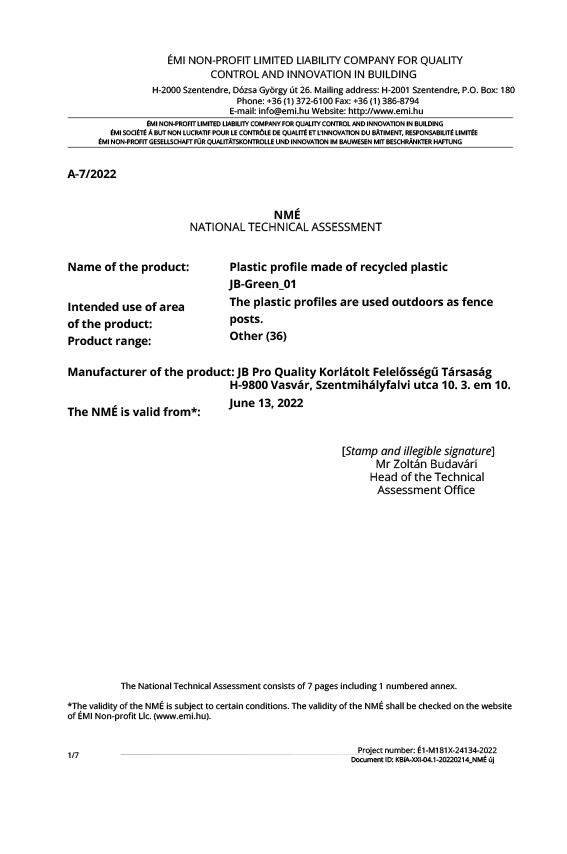
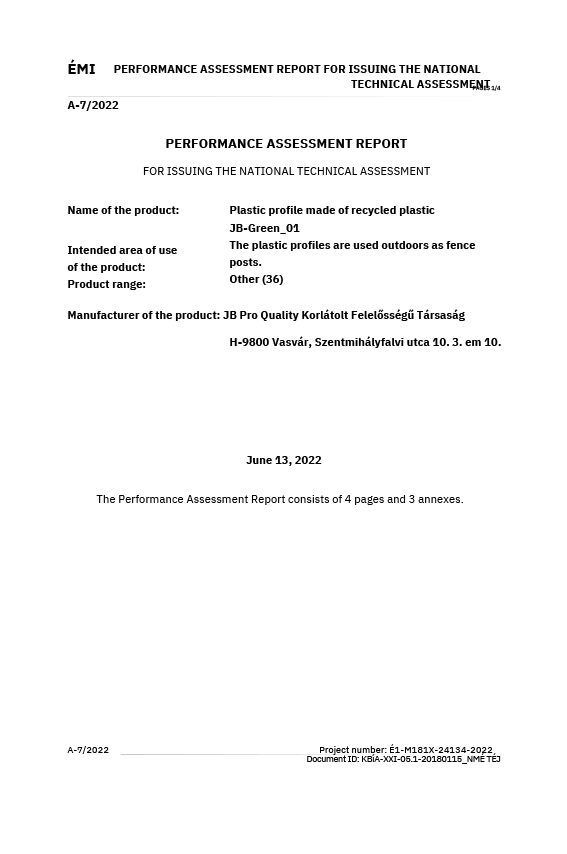
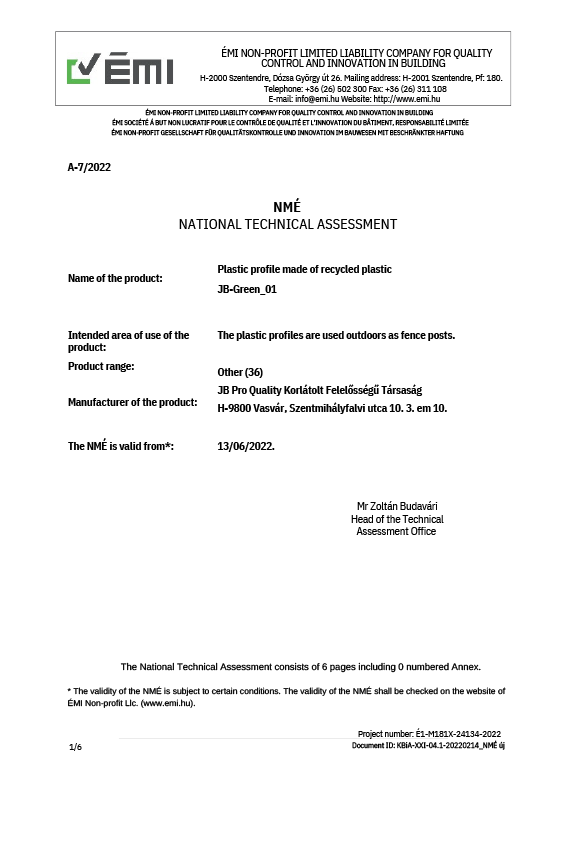
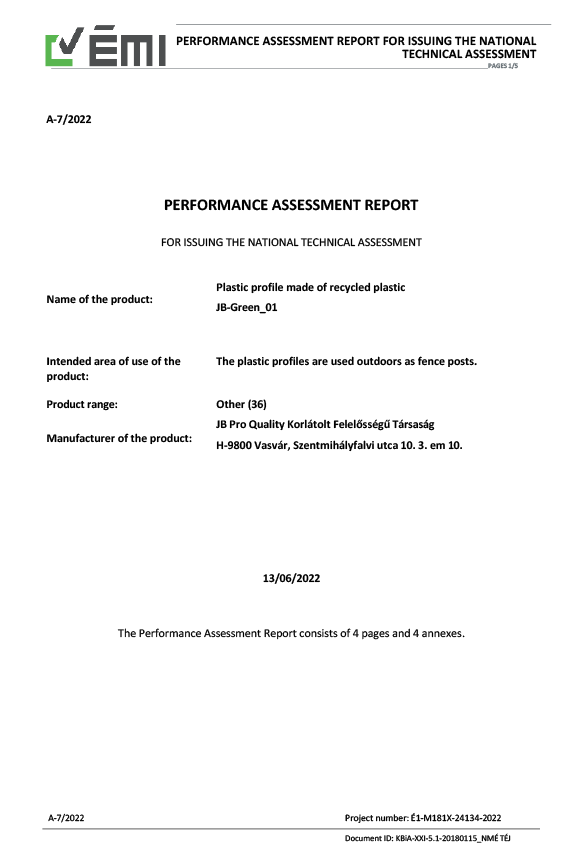
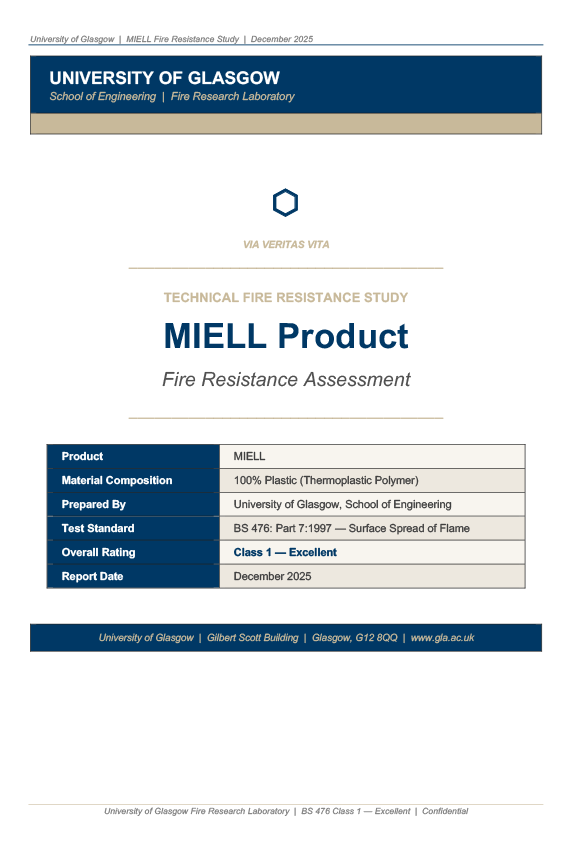
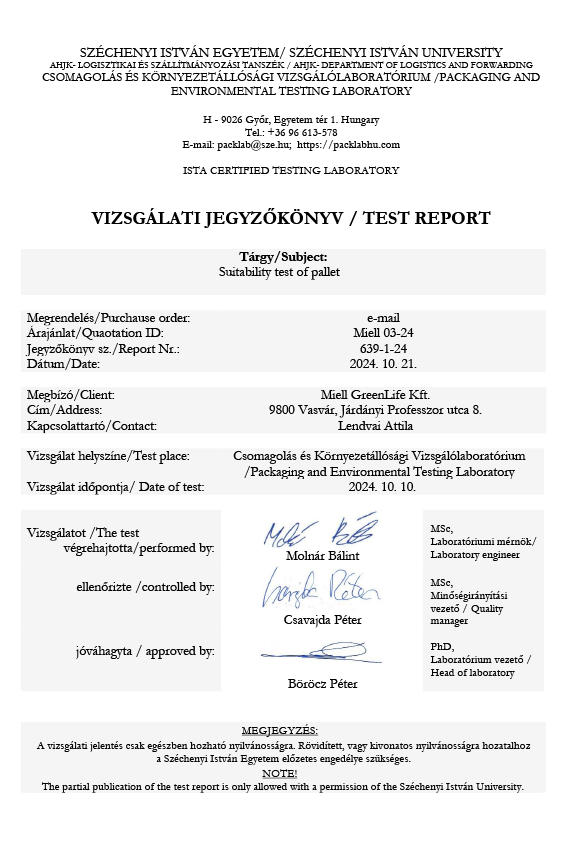
Independent test results
We Sent Our Lumber to the Labs. Here's Every Result.
Independent laboratories bent it, froze it, soaked it, baked it and dropped weights on it. This is what happened - explained so anyone can follow it.
Independent test results
We Sent Our Lumber to the Labs. Here's Every Result.
Independent laboratories bent it, froze it, soaked it, baked it and dropped weights on it. This is what happened - explained so anyone can follow it.
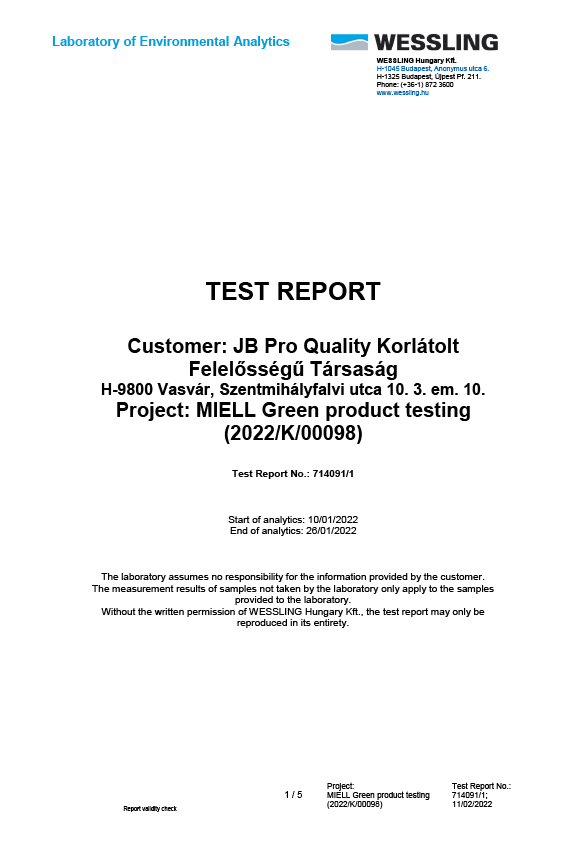
When we say our recycled plastic lumber is strong and durable, you shouldn't have to take our word for it. So we didn't test it ourselves - we sent it to accredited independent laboratories in Hungary and Scotland and asked them to try their best to break it.
Who did the testing
EMI Non-profit LLC (Budapest) - the body that issues Hungary's National Technical Assessments. WESSLING Hungary Kft - accredited environmental analytics lab. Széchenyi István University Packaging Laboratory (ISTA-certified). Every result below comes from their reports, not ours.
One more thing worth knowing: our material mix is the same consistent blend in every product we make, so these results apply across the whole range, from fence posts to benches to pallets.
View the real test result (Pdf) >
~50×
tougher against impacts than softwood timber (Charpy test)
0.08%
water absorbed in 24 hours - effectively waterproof
3.2 t
compressive load our pallet took before any permanent damage
0
heavy metals or phthalates detected - all below lab detection limits
01 HOW STRONG IS IT?
The lab measured bending strength at about 140 kg per square centimetre. A square centimetre is roughly the size of your little fingernail - and that tiny area can carry the weight of two adults before the material gives way.
Being honest: structural timber is stronger in bending (C24 softwood manages about 245 kg/cm²) and about 10 times stiffer. That's why we don't sell this for house frames or long unsupported beams. For fencing, benches, planters, decking with proper supports and playground structures, 140 kg/cm² is more than enough - and unlike timber, it never rots away to zero.
Fence post load (2.2 m span)
held >255 kg - about 3 adults hanging off one post
Actual breaking force
370-460 kg per post in practice
Source: EMI laboratory test reports. Values apply to the specific samples tested.
02 THE DROP TEST - AT ROOM TEMPERATURE
AND IN THE FREEZER
Testers dropped a 1 kg weight (about a bag of sugar) from 1 metre - waist height - onto the material. Result: zero damage. Then they chilled samples to -10°C, colder than most winter nights in the UK, and did it again. Still nothing.
The Charpy impact test tells the bigger story: breaking our material takes roughly 50 times more energy than breaking comparable softwood. Old timber goes brittle and splinters; our lumber bends before it breaks and never splinters at all. That matters a lot for playgrounds and park benches.
03 WATER: HALF A GLASS VS THREE BUCKETS
Left in water for 24 hours, the material absorbed just 0.08% of its own weight. For a 65 kg bench, that's about 50 grams of water - half a small glass. A softwood bench of the same size can soak up 30-80% of its weight: that's two to three buckets of water sitting inside the wood, which is exactly what causes rot, swelling and frost cracking.
Miell Green lumber
0.08%
Softwood timber
30-80% of its own weight
Water absorbed in 24 hours, as % of material weight. Timber range: published industry data.
04 SUNSHINE AND HEAT
Samples sat under 1,000 hours of simulated intense sunlight - the lab's way of fast-forwarding through years of outdoor UV exposure. No visible change, no loss of strength. (One honest exception: our budget ECO+ variant doesn't include the UV stabiliser package, so we don't make this claim for it.)
Heat was tested two ways. At 70°C for an hour - hotter than any British summer day - the material grew by just 0.008%. Over a 10-metre fence run, that's less than 1 millimetre of movement: thinner than a pencil line. And after 50 straight days baked at 80°C, the bending strength was unchanged.
05 WHAT'S NOT IN IT - THE SAFETY TESTS
WESSLING's chemists tested for 14 heavy metals - arsenic, cadmium, lead, mercury, chromium, nickel and more. Every single one came back below the laboratory's detection limit. They also looked for phthalates, the plasticisers sometimes found in PVC: none found.
Compare that with pressure-treated timber, which relies on copper-based preservative chemicals that gradually leach into the soil around it. Our lumber needs no chemical treatment at any point in its life.
WHAT WE'RE STILL TESTING
We're straightforward about gaps too. EN 71 children's-product safety testing is being commissioned now, slip-resistance pendulum testing is scheduled, and our carbon figures are awaiting third-party verification through a formal EPD. We'll publish each result here as it lands - pass or fail.
06 THE FULL SCORECARD
| TEST | RESULT | IN PLAIN ENGLISH |
|---|---|---|
| Bending strength | ~140 kg/cm² | A fingernail-sized area holds two adults |
| UV weathering, 1,000 hrs | No change | Years of sunshine, fast-forwarded - no fading, no weakening |
| Heat, 70°C for 1 hr | 0.008% expansion | Under 1 mm movement across 10 metres |
| Heat ageing, 80°C for 50 days | Strength unchanged | Hotter than any UK heatwave, for 7 weeks straight |
| Impact, 23°C and -10°C | No damage | Bag of sugar dropped from waist height - twice |
| Impact toughness (Charpy) | ~50× softwood | Bends before breaking; will not splinter |
| Water absorption, 24 hrs | 0.08% | Half a glass of water into a whole bench |
| Heavy metals (14 tested) | Below detection | Nothing leaching into your soil |
| Phthalates | None found | No hidden plasticisers |
| Pallet compression | ~3.2 tonnes | Like parking a lorry on it - no permanent dent |
| Fence post load, 2.2 m span | >255 kg | Three adults hanging off one post |
Want the raw reports?
Every figure on this page comes from an accredited third-party laboratory report. For the full documentation pack - EMI mechanical tests, WESSLING analytics, the Széchenyi István University pallet study - use the buttons below or email
PLASTIC MATERIAL


- Környezetvédelmi előnyök: Az újrahasznosított műanyagból készült alapanyagok használata csökkenti a fa kivágásának szükségességét és a műanyaghulladék mennyiségét, miközben hozzájárul a fenntartható gazdálkodáshoz.
- Kiváló tartósság: A műanyag alapanyagok ellenállnak a nedvességnek, penésznek, rovarkárnak és korróziónak, így hosszabb élettartamot biztosítanak a hagyományosan fából készült termékekhez képest.
- Higiéniás és könnyen tisztítható: A sima, nem porózus felületük miatt ideálisak az élelmiszeriparban és az egészségügyben, hiszen nem szívnak magukba nedvességet és könnyen fertőtleníthetőek.
- Költséghatékony megoldás: Bár a kezdeti beruházás magasabb lehet, az extra tartósság és az alacsony karbantartási igény miatt hosszú távon gazdaságosabbak a fa raklapoknál.
+1. Egységes minőség: A műanyag alapanyagok gyártási folyamata biztosítja az egyenletes minőséget és méretet, ami hatékonyabb raktározást és szállítást tesz lehetővé.
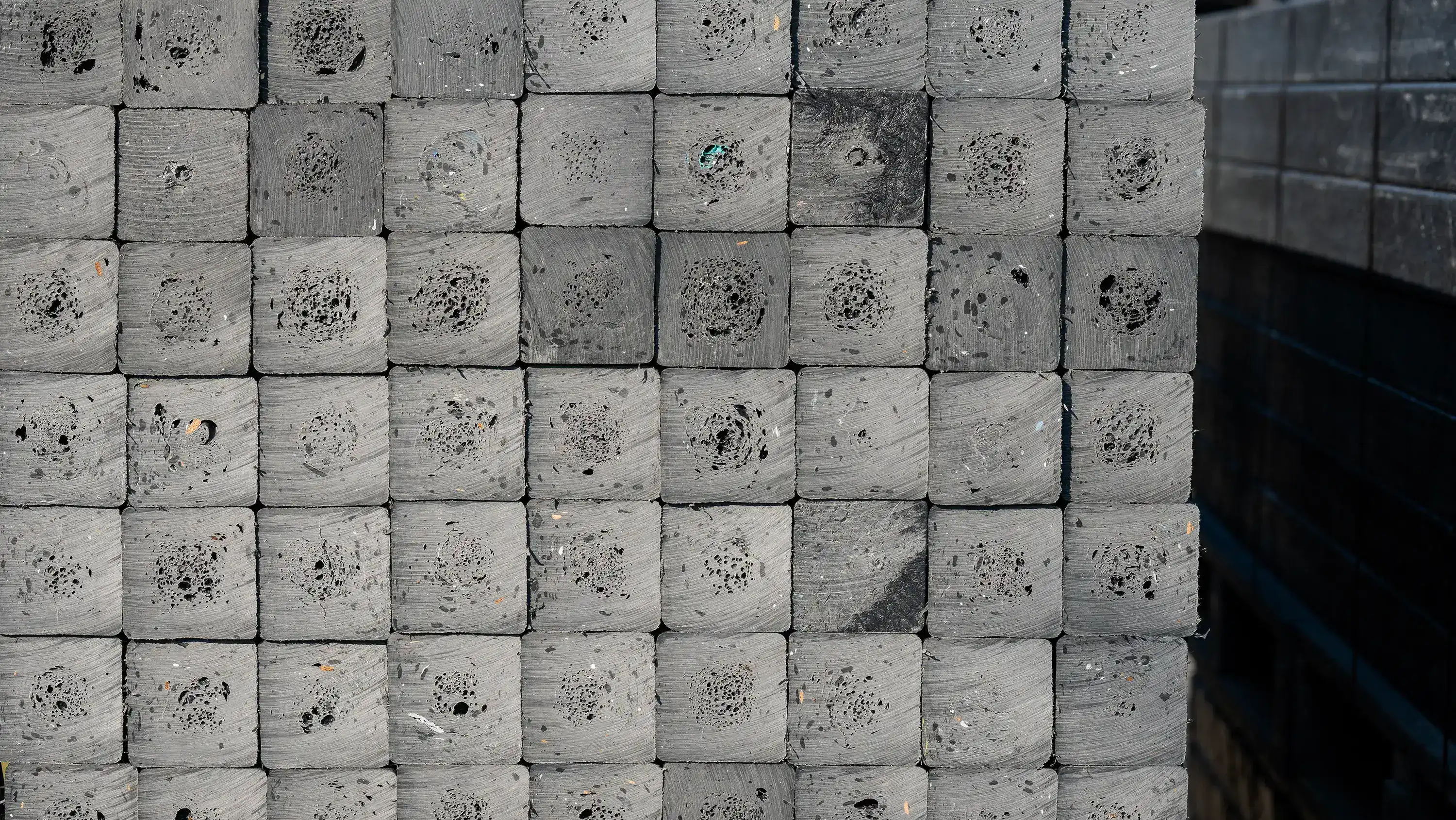
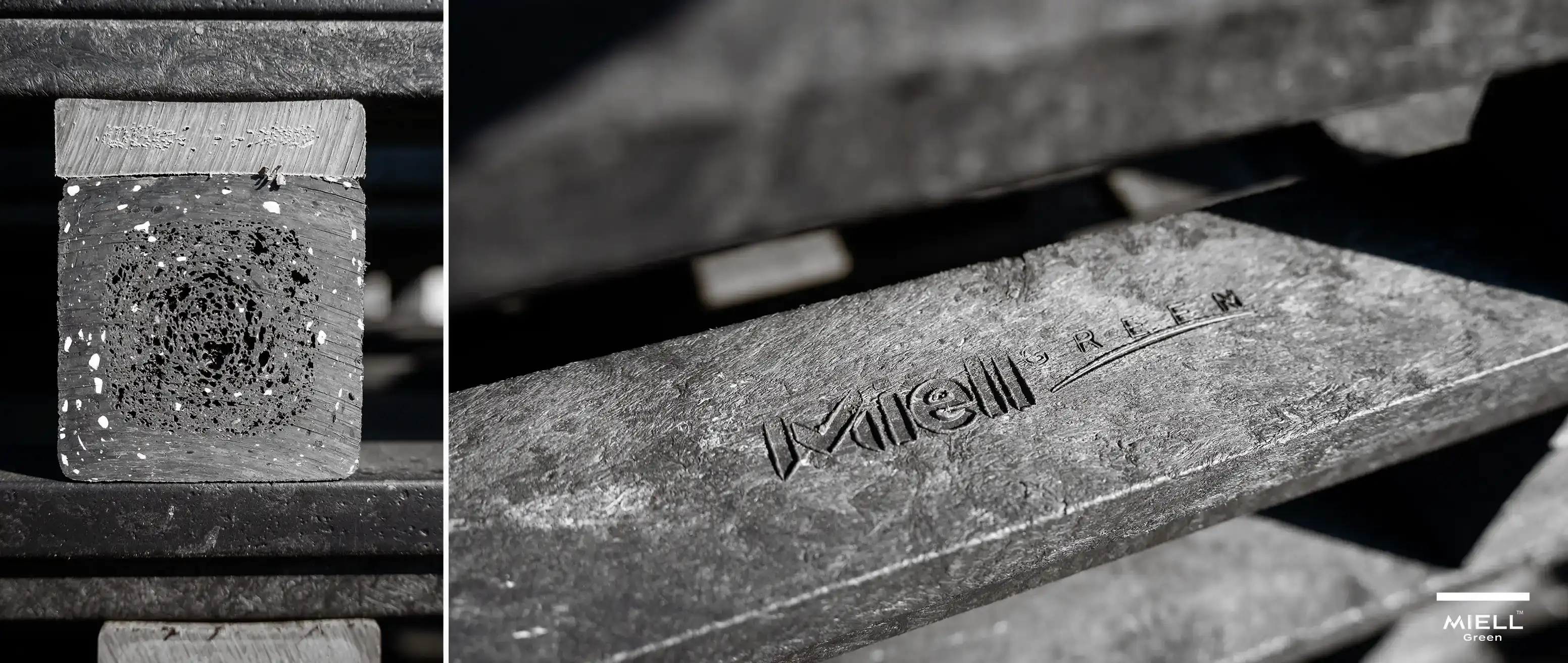
MIELL GREEN
RECYCLE PLASTIC PROFILE SIZE AND WEIGHT TABLE
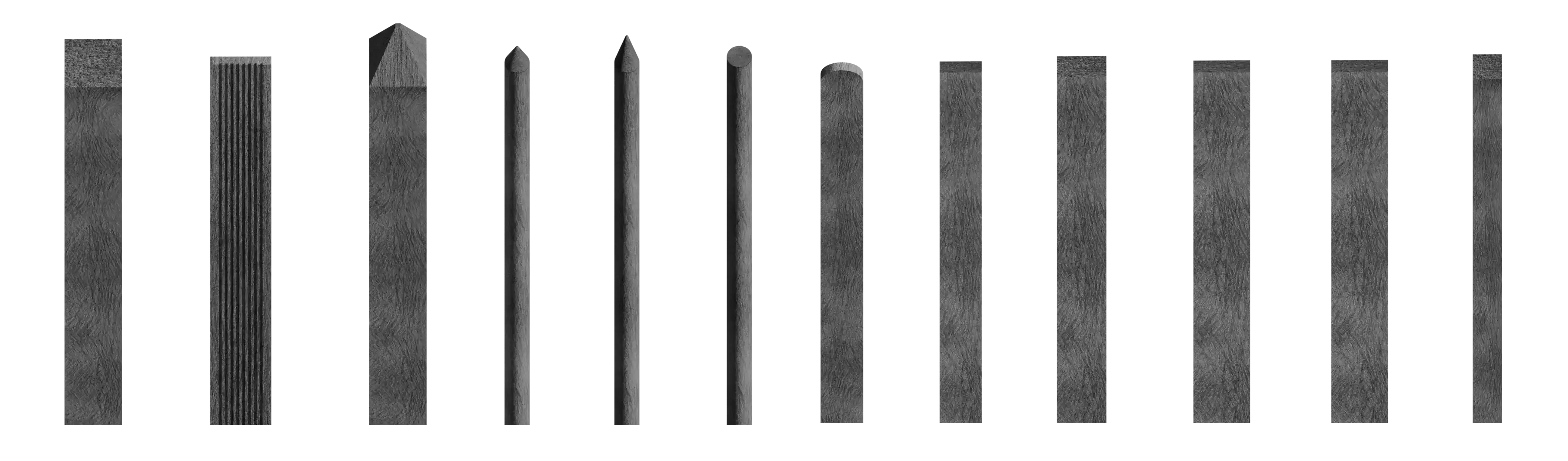
| PRODUCT CODE | PRODUCT NAME | WEIGHT | pcs/PALLET |
|---|---|---|---|
AKL28180+ |
Plastic Fence Slats / 2 cm x 8 cm x 180 cm ECO+ | 3.3 | 300 |
| AKL28180VB |
Plastic Fence Slats / 2 cm x 8 cm x 180 cm light brown | 3.3 | 300 |
AKL28180VB |
Plastic Fence Slats / 2 cm x 8 cm x 180 cm dark brown | 3.3 | 300 |
| AKL28180A |
Plastic Fence Slats / 2 cm x 8 cm x 180 cm Antracit | 3.3 | 300 |
ABL313250+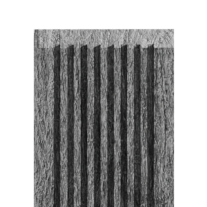 |
Ribbed slat / 3 cm x 13 cm x 250 cm ECO+ | 10.5 | 90 |
| ABL313250VB |
Ribbed slat / 3 cm x 13 cm x 250 cm light brown | 10.5 | 90 |
| ABL313250VB |
Ribbed slat / 3 cm x 13 cm x 250 cm dark brown | 10.5 | 90 |
AQ3512200+ |
Plastic Profile / 3,5 cm x 12 cm x 200 cm ECO+ | 8.5 | 120 |
| AQ3512200VB |
Plastic Profile / 3,5 cm x 12 cm x 200 cm light brown | 8.5 | 120 |
| AQ3512200A |
Plastic Profile / 3,5 cm x 12 cm x 200 cm Antracit | 8.5 | 120 |
| - | Plastic Profile / 3,5 cm x 12 cm x 200 cm dark brown | 8.5 | 120 |
AQ55250+ |
Plastic Profile / 5 cm x 5 cm x 250 cm ECO+ | 7.5 | 90 |
| - | Plastic Profile / 6 cm x 6 cm x 250 cm ECO+ | 7.8 | 130 |
| - | Plastic Profile / 6 cm x 6 cm x 250 cm dark brown | 7.8 | 130 |
| AQE55150+ |
Reinforced plastic profile / 5 cm x 5 cm x 150 cm ECO+ | 6.5 | 180 |
| AÉP510310+ |
Plastic Profile / 5 cm x 10 cm x 310 cm ECO+ | 14 | 80 |
| - | Plastic Profile / 5 cm x 10 cm x 310 cm dark brown | 14 | 80 |
AQ88250+ |
Plastic Profile / 8 cm x 8 cm x 250 cm ECO+ | 15 | 54 |
| AQER88300+ |
Reinforced plastic profile / 8 cm x 8 cm x 250 cm ECO+ | 18.3 | 54 |
| AQ1010250+ |
Plastic Profile / 10 cm x 10 cm x 250 cm ECO+ | 24.2 | 35 |
| AQ1010300+ |
Plastic Profile / 10 cm x 10 cm x 300 cm ECO+ | 29 | 35 |
| AO45130+ |
Plastic Profile / 4,5 cm x 130 cm ECO+ (circle-based) | 2 | 391 |
AO6200+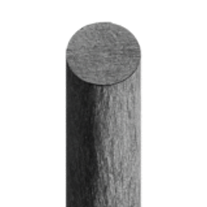 |
Plastic Profile / 6 cm x 200 cm ECO+ (circle-based) | 5.5 | 391 |
| AO95230+ |
Plastic Profile / 9,5 cm x 230 cm ECO+ (circle-based) | 13.5 | 70 |
| AOER95230+ |
Reinforced plastic profile / 9,5 cm x 230 cm ECO + (circle-based) | 16 | 70 |
| AO15220+ |
Plastic Profile / 15 cm x 220 cm ECO+ (circle-based) | 34 | 30 |
| AOER15220+ |
Reinforced plastic profile / 15 cm x 220 cm ECO+ (kör alapú) | 37 | 35 |
| AQ88300 |
Plastic Profile / 8 cm x 8 cm x 300 cm | 21 | 56 |
| AQER88300 |
Reinforced plastic profile / 8 cm x 8 cm x 300 cm | 25 | 49 |
| AQ55150 |
Plastic Profile / 5 cm x 5 cm x 150 cm | 6.5 | 190 |
| AQER55150 |
Reinforced plastic profile / 5 cm x 5 cm x 150 cm | 9 | 190 |
| AQ3512200 |
Plastic Profile / 3,5cm x 12 cm x 200 cm | 8.5 | 100 |
AQ28100 |
Plastic Profile / 2 cm x 8 cm x 100 cm | 2 | 300 |
- Környezetvédelmi előnyök: Az újrahasznosított műanyagból készült alapanyagok használata csökkenti a fa kivágásának szükségességét és a műanyaghulladék mennyiségét, miközben hozzájárul a fenntarthatóság megörzéséhez.
- Kiváló tartósság: Az újrahasznosított műanyag elemek ellenállnak a nedvességnek, penésznek, rovarkárnak és korróziónak, így hosszabb élettartamot biztosítanak a hagyományos fa alapanyagokhoz képest.
- Higiéniás és könnyen tisztítható: A sima, nem porózus felületük, és azálkamentességük miatt ideálisak játszóterek építésére, hiszen nem szívnak magukba nedvességet és könnyen tisztíthatóak.
- Költséghatékony megoldás: Bár a kezdeti beruházás magasabb lehet, a hosszú élettartam és az alacsony karbantartási igény miatt hosszú távon gazdaságosabbak a fából készült játszóterekhez képest.
+1. Egységes minőség: A műanyag elemek gyártási folyamata biztosítja az egyenletes minőséget és méretet, ami hatékonyabb raktározást és szállítást tesz lehetővé.
MIELLGREEN
RECYCLE PLASTIC PROFILE SIZE AND WEIGHT TABLE
MIELL GREEN PROFILE, SLABS
| PRODUCT CODE | PRODUCT NAME | WEIGHT | PCS / PALLET | |
|---|---|---|---|---|
| AQ28100+ | 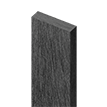 |
Plastic profile / 2 cm x 8 cm x 100 cm ECO+ | 2 | 300 |
| AQ28100VB | 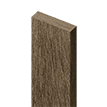 |
Plastic profile / 2 cm x 8 cm x 100 cm Light brown |
2 | 300 |
| AQ28100SB |
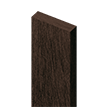 |
Plastic profile / 2 cm x 8 cm x 100 cm Dark brown |
2 | 300 |
| AQ28100A | 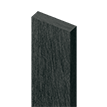 |
Plastic profile / 2 cm x 8 cm x 100 cm Antracit | 2 | 300 |
| AKL28180+ |
|
Plastic Fence Slats / 2 cm x 8 cm x 180 cm ECO+ | 3.3 | 300 |
| AKL28180VB |
|
Plastic Fence Slats / 2 cm x 8 cm x 180 cm Light brown | 3.3 | 300 |
| AKL28180SB | |
Plastic Fence Slats / 2 cm x 8 cm x 180 cm Dark brown | 3.3 | 300 |
| AKL28180A | |
Plastic Fence Slats / 2 cm x 8 cm x 180 cm Antracit | 3.3 | 300 |
| ABL313250+ |
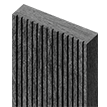 |
Ribbed slat / 3 cm x 13 cm x 250 cm ECO+ |
10.5 | 90 |
| ABL313250VB |
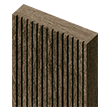 |
Ribbed slat / 3 cm x 13 cm x 250 cm Light brown |
10.5 | 90 |
| ABL313250VB |
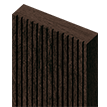 |
Ribbed slat / 3 cm x 13 cm x 250 cm Dark brown |
10.5 | 90 |
| ABL313250A |
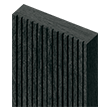 |
Ribbed slat / 3 cm x 13 cm x 250 cm Antracit |
10.5 | 90 |
| AQ3512200+ |
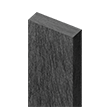 |
Plastic profile / 3,5 cm x 12 cm x 200 cm ECO+ | 8.5 | 120 |
| AQ3512200VB | 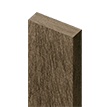 |
Plastic profile / 3,5 cm x 12 cm x 200 cm Light brown | 8.5 | 120 |
| AQ3512200A | 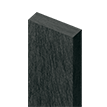 |
Plastic profile / 3,5 cm x 12 cm x 200 cm Antracit | 8.5 | 120 |
| AQ3512200SB | 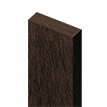 |
Plastic profile / 3,5 cm x 12 cm x 200 cm Dark brown | 8.5 | 120 |
| AQ55150+ | 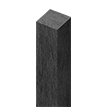 |
Plastic profile / 5 cm x 5 cm x 150 cm ECO+ | 6.5 | 190 |
| AQ55150VB | 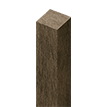 |
Plastic profile / 5 cm x 5 cm x 150 cm Light brown | 6.5 | 190 |
| AQ55150SB | 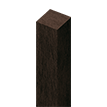 |
Plastic profile / 5 cm x 5 cm x 150 cm Dark brown | 6.5 | 190 |
| AQ55150A | 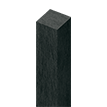 |
Plastic profile / 5 cm x 5 cm x 150 cm Antracit | 6.5 | 190 |
| AQE55150+ | 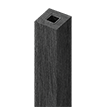 |
Reinforced Plastic profile / 5 cm x 5 cm x 150 cm ECO+ | 6.5 | 180 |
| AQ55250+ | |
Plastic profile / 5 cm x 5 cm x 250 cm ECO+ | 7.5 | 90 |
| AQ55250SB | |
Plastic profile / 5 cm x 5 cm x 250 cm Dark brown | 7.5 | 90 |
| AQ66250+ |  |
Plastic profile / 6 cm x 6 cm x 250 cm ECO+ | 7.8 | 130 |
| AQ66250SB |  |
Plastic profile / 6 cm x 6 cm x 250 cm Dark brown | 7.8 | 130 |
| AÉP510310+ |  |
Plastic profile / 5 cm x 10 cm x 310 cm ECO+ | 14 | 80 |
| AÉP510310SB | 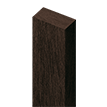 |
Plastic profile / 5 cm x 10 cm x 310 cm Dark brown | 14 | 80 |
| AQ88250+ | |
Plastic profile / 8 cm x 8 cm x 250 cm ECO+ | 15 | 54 |
| AQER88300+ | 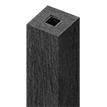 |
Reinforced Plastic profile / 8 cm x 8 cm x 250 cm ECO+ | 18.3 | 54 |
| AQ88300+ | |
Plastic profile / 8 cm x 8 cm x 300 cm ECO+ | 21 | 56 |
| AQ88300VB | 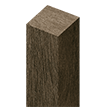 |
Plastic profile / 8 cm x 8 cm x 300 cm Light brown | 21 | 56 |
| AQ88300SB | 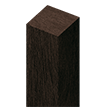 |
Plastic profile / 8 cm x 8 cm x 300 cm Dark brown | 21 | 56 |
| AQ88300A | 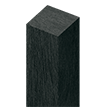 |
Plastic profile / 8 cm x 8 cm x 300 cm Antracit | 21 | 56 |
| AQER88300+ | |
Reinforced Plastic profile / 8 cm x 8 cm x 300 cm ECO+ | 25 | 49 |
| AQER88300VB | 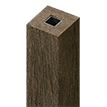 |
Reinforced Plastic profile / 8 cm x 8 cm x 300 cm Light brown | 25 | 49 |
| AQER88300SB | 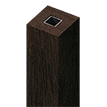 |
Reinforced Plastic profile / 8 cm x 8 cm x 300 cm Dark brown | 25 | 49 |
| AQER88300A | 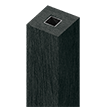 |
Reinforced Plastic profile / 8 cm x 8 cm x 300 cm Antracit | 25 | 49 |
| AQ1010250+ | 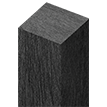 |
Plastic profile / 10 cm x 10 cm x 250 cm ECO+ | 24.2 | 35 |
| AQ1010300+ | |
Plastic profile / 10 cm x 10 cm x 300 cm ECO+ | 29 | 35 |
| AO45130+ | 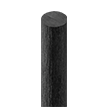 |
Plastic profile / 4,5 cm x 130 cm ECO+ (Circular) | 2 | 391 |
| AO6200+ | 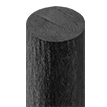 |
Plastic profile / 6 cm x 200 cm ECO+ (Circular) | 5.5 | 391 |
| AO95230+ | 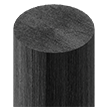 |
Plastic profile / 9,5 cm x 230 cm ECO+ (Circular) | 13.5 | 70 |
| AOER95230+ |  |
Reinforced profil / 9,5 cm x 230 cm ECO + (Circular) | 16 | 70 |
| AO15220+ | |
Plastic profile / 15 cm x 220 cm ECO+ (Circular) | 34 | 30 |
| AOER15220+ | |
Reinforced Profil / 15 cm x 220 cm ECO+ (Circular) | 37 | 35 |